Psychotherapist explains the difference between peace and emotional shutdown
Emotional numbness may be a hidden sign of burnout, experts warn
Many people today say they feel emotionally “numb” or “detached” from life. They continue going to work, attending classes, replying to messages and completing daily responsibilities, but inside they feel emotionally disconnected. Some people describe it as feeling “empty”, while others say they simply do not react to things the way they used to.
Mental health experts say emotional numbness is becoming increasingly common in modern lifestyles filled with stress, burnout, social pressure and constant online activity.
According to psychotherapist Dr Chandni Tugnait, emotional detachment can sometimes help people protect themselves during difficult situations. However, when emotional distance becomes permanent and people stop feeling connected to relationships, goals or even themselves, it may become a warning sign of emotional exhaustion or mental health struggles.
Experts explain that there is a major difference between healthy emotional boundaries and completely shutting down emotionally. Many people confuse the two because social media often presents emotional indifference as a sign of strength, maturity or peace.
Doctors and therapists say true emotional well-being does not mean “feeling nothing”. Instead, it means learning how to manage emotions without becoming overwhelmed by them.
In recent years, conversations about “detachment” have become extremely popular online. Many social media posts encourage people to become “unbothered”, emotionally unavailable or disconnected from stressful situations. While some advice may help people escape toxic environments, mental health professionals warn that complete emotional shutdown is not healthy.
Experts believe modern life has created emotional pressure unlike ever before. Many people are constantly trying to balance careers, studies, relationships, financial stress and social expectations. At the same time, social media keeps people emotionally overstimulated through endless news, opinions, comparisons and online interactions.
As a result, some people stop expressing emotions altogether because they feel mentally exhausted.
When emotional detachment can actually help
Psychotherapists explain that emotional detachment is not always harmful. In some situations, temporarily creating emotional distance may actually help people recover mentally and emotionally.
For example, stepping away from a toxic workplace, unhealthy relationship or emotionally stressful situation may help a person think more clearly. According to experts, emotional boundaries allow people to protect their mental peace and reduce emotional overload.
Doctors say people sometimes need temporary space after long periods of stress or emotional pain. Taking a break from constant pressure may help them relax, recover and regain emotional balance.
ALSO READ: Russia plans to deploy powerful Sarmat nuclear missile by end of 2026
ALSO READ: Donald Trump to visit China after nearly nine years amid global tensions
Healthy detachment means understanding that a person cannot control everything in life. It involves accepting situations calmly without becoming emotionally destroyed by every problem or disappointment.
Experts explain that healthy emotional boundaries still allow people to feel emotions, care about relationships and stay connected to themselves. The difference is that they learn not to become completely consumed by stress.
For example, a person with healthy emotional boundaries may still feel sadness, anger or disappointment, but they do not allow these emotions to control their entire life. They understand when to rest, when to say no and when to step away from harmful situations.
Mental health experts say this type of emotional balance can improve resilience and help people manage stress more effectively.
Social media discussions about self-care and emotional protection have also encouraged more people to prioritise their mental health. Therapists believe this awareness is important because emotional burnout often goes unnoticed for long periods.
However, experts warn that emotional detachment becomes unhealthy when people stop caring completely.
When numbness becomes a warning sign
According to Dr Chandni Tugnait, problems begin when emotional distance slowly turns into emotional withdrawal from life itself.
Some people may stop caring about relationships, work, goals or even their own well-being. They may feel disconnected from family members, avoid social interactions or lose interest in activities they once enjoyed.
Experts explain that emotional numbness may sometimes appear similar to symptoms linked to depression, burnout and emotional exhaustion.
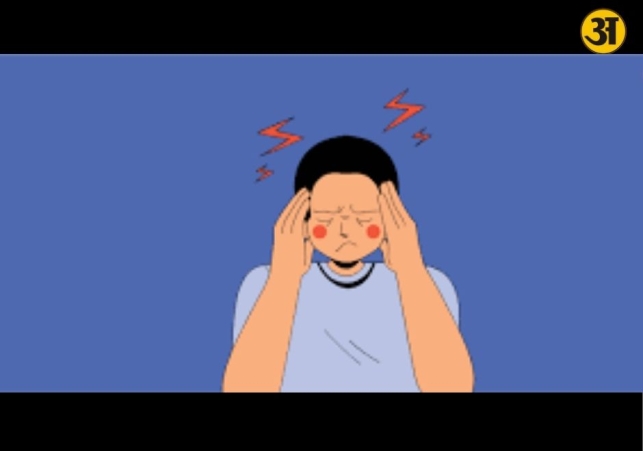
A person experiencing emotional shutdown may feel tired all the time, emotionally empty or mentally disconnected from situations that normally create feelings. They may struggle to feel happiness, excitement, sadness or even anger.
Doctors say emotional numbness often develops slowly. People may not even realise it is happening because they continue functioning normally on the outside.
Therapists also warn that social media can sometimes romanticise emotional unavailability. Online content often presents emotionally distant behaviour as powerful or attractive. Many posts encourage people to avoid emotional vulnerability completely.
But experts say constantly pretending not to care can also become emotionally unhealthy.
According to therapists, “performative detachment” — where people act emotionally disconnected for validation or attention — is still a form of emotional dependence. True emotional balance does not require proving anything to others.
Mental health experts say emotional disengagement is different from healthy detachment. Healthy detachment allows emotional presence while reducing unhealthy stress. Emotional disengagement, however, involves withdrawing mentally and emotionally from life itself.
Experts believe emotional shutdown can affect relationships, work performance and physical health over time. Some people may begin isolating themselves or avoiding meaningful conversations because emotional expression starts feeling exhausting.
Therapists say emotional numbness is especially common among people experiencing burnout. Constant pressure to stay productive, successful and emotionally available can leave people mentally drained.
The modern lifestyle also gives people very little time to process emotions properly. Many individuals move quickly from one responsibility to another without rest or reflection. Over time, the brain may begin emotionally “switching off” as a coping mechanism.
Mental health professionals encourage people to pay attention to signs of emotional exhaustion instead of ignoring them.
Experts recommend basic self-care practices such as proper sleep, regular breaks, exercise and spending time away from screens. Talking openly with trusted friends, family members or therapists may also help reduce emotional pressure.
Doctors say emotional healing does not mean becoming emotionally cold. Instead, it means learning how to experience emotions in healthier ways.
Therapists remind people that vulnerability is not weakness. Feeling emotions is a normal part of being human.
Experts also say it is important to seek professional support if emotional numbness continues for a long time or starts affecting daily life, relationships or mental health.
According to mental health professionals, the goal should never be to “feel nothing”. Real emotional balance comes from understanding emotions, managing stress and staying connected to oneself without becoming overwhelmed by every situation.
As conversations around burnout and mental health continue growing worldwide, experts hope more people will learn to recognise the difference between healthy peace and emotional shutdown before emotional exhaustion becomes more serious.
Related News